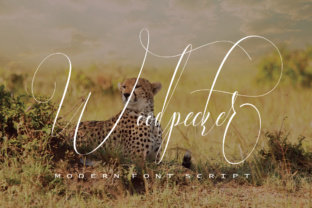
Make Your Brand Instantly Recognizable with the Woodpecker Script Font
When you run a small business, every detail matters. The colors you choose, the materials you use, the way you speak to customers—it all adds up to how people remember you. One detail that often gets overlooked is the typeface you use across your brand. The right font can transform a plain logo into something memorable, a simple product label into something worth sharing. That is where Woodpecker comes in. Designed as a modern, thin calligraphy font, Woodpecker brings a handwritten elegance to your business materials without feeling overly formal or stiff. It has a distinct personality that feels both creative and trustworthy, which is exactly what many small business owners need.
What Makes Woodpecker Different from Other Script Fonts
Woodpecker is not just another decorative typeface. It was crafted through actual handwriting, which gives it a natural flow and a human touch. The strokes are thin and refined, making it feel light, airy, and modern. This is not a heavy, bold script that demands attention. Instead, it invites people in. It feels approachable, elegant, and carefully considered. For a small business owner, that kind of subtle charm can make a big difference. Whether you sell handmade candles, run a boutique coffee shop, or offer coaching services, Woodpecker communicates that you pay attention to the details.
Because Woodpecker sits in the script font category, it carries the warmth of handwritten lettering. But unlike many script fonts that can feel too casual or too ornate, Woodpecker strikes a balance. It is stylish enough to be used in premium branding, yet readable enough for everyday customer-facing materials. That is a rare combination in the world of modern typography, and it makes Woodpecker a versatile choice for businesses that want to look both professional and personal.
Where to Use Woodpecker in Your Real Business Materials
The practical applications for Woodpecker are broad. Because it is a thin calligraphy font, it works beautifully as a display font—the kind of typeface you use for headlines, logos, and short statements. It is not designed for long paragraphs of body text, but it shines when you want a specific message to stand out.
- Logos and brand marks. Woodpecker can form the centerpiece of your logo. Its elegant strokes give your brand name a handmade feel that feels more personal than a standard serif or sans serif font. Use it on your website header, your Instagram profile, and your business cards.
- Product labels and packaging. If you sell physical products, labels are one of the most important touchpoints. A candle label, a skincare bottle, a coffee bag—each one benefits from a font that feels intentional. Woodpecker adds a premium look to small packaging without overpowering the design.
- Menus and signage. For cafés, bakeries, and restaurants, a menu needs to be readable but also reflect the atmosphere of the space. Woodpecker works well for menu headings and featured items. Pair it with a clean sans serif font for the descriptions, and the result feels curated and inviting.
- Social media graphics and digital ads. On platforms like Instagram and Pinterest, visuals determine whether someone stops scrolling. Use Woodpecker in quote graphics, product announcements, and promotional banners. Its handwritten style adds warmth to digital content that often feels too polished or generic.
- Thank-you cards, stickers, and flyers. Small touches build customer loyalty. A thank-you card with your logo set in Woodpecker feels more personal. Stickers and flyers become something people want to keep, not throw away.
How the Right Font Builds Trust and Recognition
As a business owner, you want customers to remember you. Consistency is the key to that. When you use the same typeface across your website, your packaging, your social media, and your printed materials, you create a unified visual identity. That consistency signals professionalism. It tells customers that you are serious about what you do, and that you care about how you present yourself.
Woodpecker, with its distinct handwritten appeal, helps you stand out in a crowded market. Many small businesses default to the same generic fonts because they are safe. But safe rarely builds a strong brand. When you choose a premium font like Woodpecker, you make a choice to look different. That difference helps people remember you. Over time, they begin to associate that elegant script with your products, your service, and your values. That is the kind of brand recognition that pays off in repeat customers and word-of-mouth referrals.
Readability in Real-World Settings
One concern small business owners often have about script fonts is readability. It is a valid worry. If a customer cannot read your product name or your menu heading, the design has failed. Fortunately, Woodpecker is designed with clarity in mind. Because the strokes are thin and well-proportioned, the letters remain legible even at smaller sizes. On a product label, a business card, or a mobile screen, the text stays crisp.
That said, Woodpecker is best used for shorter pieces of text. Use it for your brand name, a tagline, a product title, or a featured menu item. For longer descriptions, ingredients lists, or legal text, pair it with a simple serif or sans serif font. This keeps your design functional while still letting Woodpecker do the heavy lifting for your brand identity.
Simple Font Pairing Ideas That Work Every Time
Pairing fonts might sound like something only designers worry about, but as a business owner, you can make smart choices with just a little guidance. The goal is contrast. Woodpecker is decorative and expressive, so it pairs well with a clean, neutral companion font that does not compete for attention.
- Woodpecker with a clean sans serif. Fonts like a simple sans serif keep your body text readable and modern. Use Woodpecker for the headline or brand name, and the sans serif for descriptions, prices, and contact details. This pairing works well for menus, websites, and product packaging.
- Woodpecker with a subtle serif. A slender serif font can add a slightly more traditional or refined feel. This combination is great for stationery, thank-you cards, and premium product lines where you want to feel both elegant and approachable.
- Woodpecker on its own. For logos, short quotes, or social media graphics, Woodpecker can stand alone. Its personality is strong enough to carry the design without needing a second font. Keep the layout simple and let the typography shine.
Practical Advice Before You Commit to a Font
Before you use Woodpecker across your entire brand, test it in the places where your customers actually see it. Print it on a sample label and stick it on one of your products. Put it on a business card. Look at it on your phone screen. See how it feels at different sizes and on different backgrounds. A font that looks beautiful in a preview may behave differently in real use, so testing saves you from investing in materials that do not quite work.
Also, take a moment to check the commercial licensing for Woodpecker. Not all fonts are cleared for business use. If you plan to use this premium font on products you sell, packaging you distribute, templates you offer, or client work you deliver, make sure your license covers those uses. This is a simple step that protects your business and ensures you can use the font with confidence.
Bringing Your Brand Vision to Life with Woodpecker
Choosing a font is not just about aesthetics. It is about how you want your customers to feel when they encounter your business. Woodpecker brings a sense of care and intention to your materials. It says that you put thought into the details, that your products are made with attention, and that your brand has a personality worth remembering. For a small business owner juggling a dozen responsibilities, finding a font that is both beautiful and practical is a genuine win.
Whether you are launching a new brand or refreshing an existing one, Woodpecker gives you a versatile tool for building a cohesive, professional identity. Use it on your packaging, your website, your social media, and your printed pieces. Let it become the visual thread that ties everything together. Your customers will notice the difference, and your brand will feel more like the business you always wanted it to be.